Briefing Materials


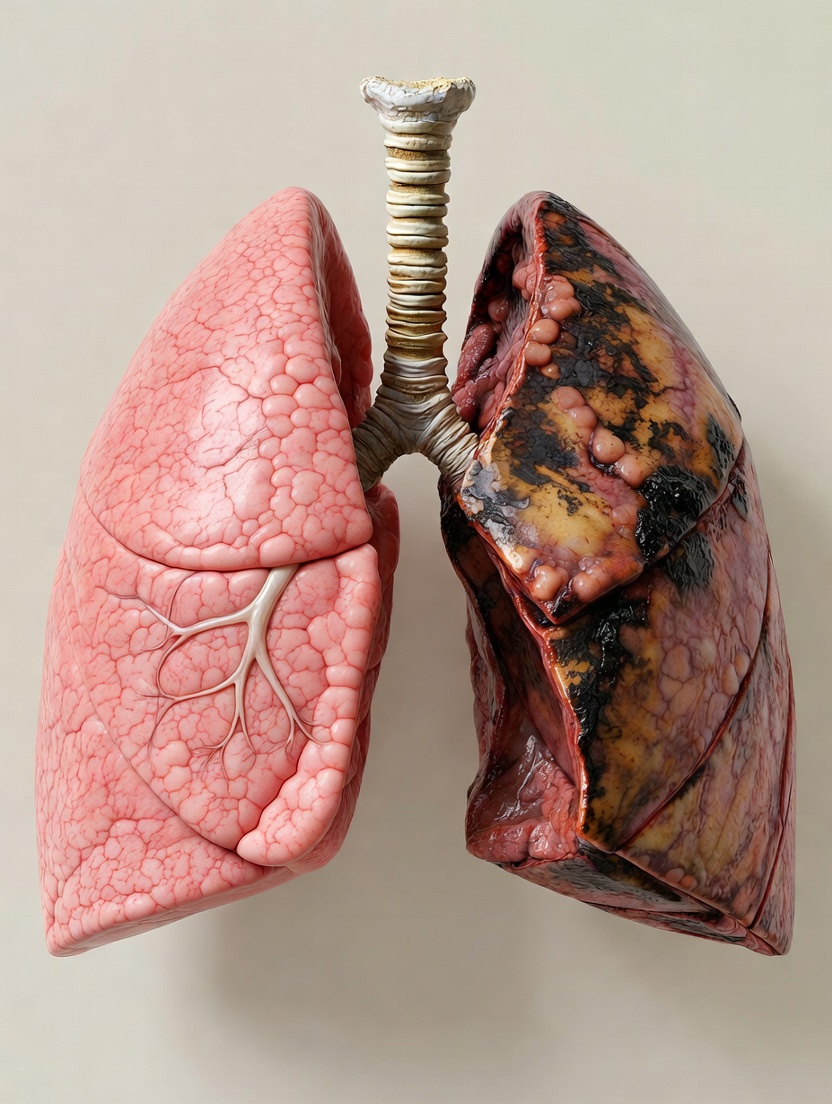
TOXIC COMPOSITION: Cigarettes contain over 5000 chemical substances that harm the body. Tar damages teeth and gums, while smoke impairs smell and increases the risk of lung infections and diseases. Carbon monoxide reduces oxygen levels in the blood, leading to shortness of breath. Nicotine triggers dopamine release, causing addiction, and also constricts blood vessels, increasing the risk of clots, heart attacks, and strokes.
SYSTEMIC DAMAGE: Chemicals in cigarettes can cause DNA mutations and disrupt DNA repair processes, increasing cancer risk in various tissues and organs. Smoking can also lead to weakened eyesight, bones, fertility issues in women, and erectile dysfunction in men.
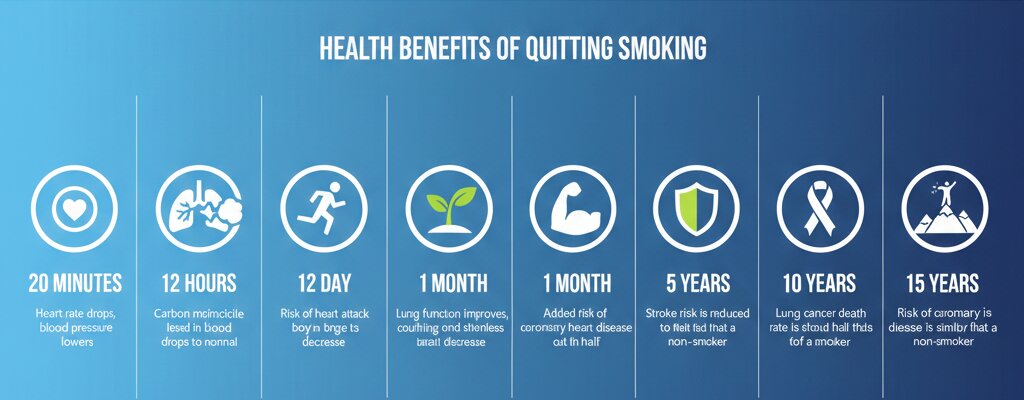
RECOVERY TIMELINE: Quitting smoking has immediate and long-lasting benefits. Within 20 minutes, heart rate and blood pressure normalize. After 12 hours, carbon monoxide levels stabilize. Heart attack risk decreases after a day. Smell and taste recover after two days. Lung health improves within a month, and cilia recover within nine months. Heart disease risk halves after a year, and stroke risk reduces significantly after five years. After 10 years, lung cancer risk decreases by 50%, and after 15 years, coronary heart disease risk is similar to that of a non-smoker.
INTERVENTION: Quitting can cause anxiety and depression due to nicotine withdrawal. Nicotine replacement therapy, counseling, support groups, cognitive behavioral therapy, and exercise can help smokers quit. Quitting improves overall health.